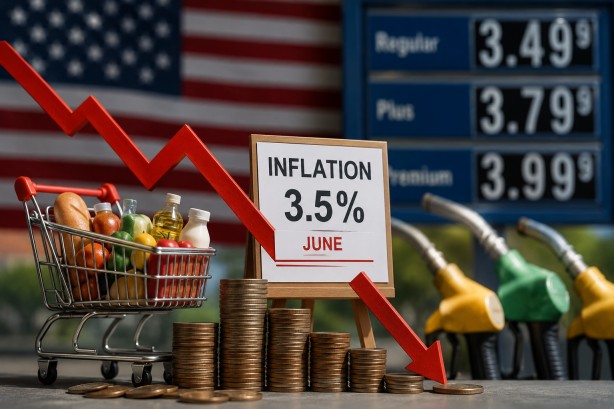
Inflation in the United States experienced a slowdown in June, with the annual rate dropping to 3.5%, primarily driven by a temporary reduction in energy costs that helped lower overall consumer expenses. The latest data from the Consumer Price Index (CPI) indicated this moderation, following higher inflation rates in preceding months. In comparison to May, prices decreased by 0.8%, largely due to a significant fall in gasoline and fuel prices, which counterbalanced rising costs in areas such as food, housing, and utilities.
Core inflation, which strips out the often volatile food and energy prices and is closely watched by the Federal Reserve, also saw a decline, registering at 2.6% year-over-year. However, the respite in inflationary pressures might not last long. Renewed tensions in the Middle East have caused global oil prices to climb, which is already contributing to increased fuel costs for consumers and higher operating expenses for industries like aviation and transportation.
The Federal Reserve is set to review this latest inflation data in conjunction with labor market conditions at its upcoming policy meeting later in the month. While recent figures show a moderation in inflation, they continue to exceed the central bank’s long-term target of 2%. This ongoing disparity maintains a level of uncertainty regarding the timing and nature of any potential adjustments to interest rates.