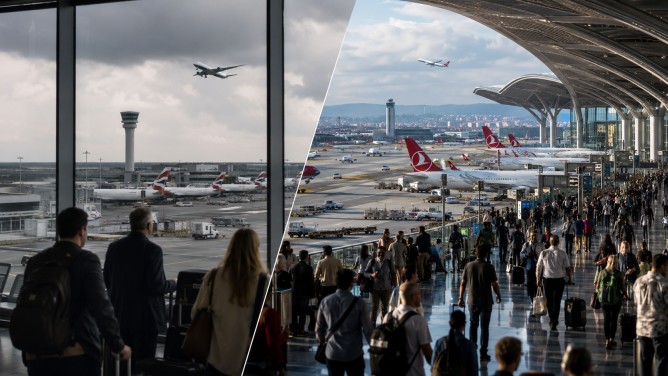
Istanbul Airport has overtaken Heathrow as Europe’s busiest airport, with passenger numbers in July reaching 8.15 million compared to Heathrow’s 7.86 million. This shift marks a significant change, as Heathrow’s figures decreased by 1.5% from the same month last year, while Istanbul experienced a 2.3% increase in traffic. The decline at Heathrow was partly due to disruptions caused by ongoing conflicts in the Middle East.
The latest statistics have intensified calls for the UK government to greenlight Heathrow’s proposed third runway. Currently operating at near full capacity with just two runways, the airport is pushing for a £33 billion expansion. If approved, this project could boost Heathrow’s annual passenger capacity to approximately 150 million, which is seen as crucial for enhancing the UK’s global connectivity and supporting trade and tourism sectors.
In contrast, Istanbul Airport, which opened its doors in 2018, has grown rapidly, benefiting from a larger operational site and 24-hour services. It currently runs three runways, with plans to add a fourth by the end of 2026. This expansion positions Istanbul as a formidable hub in European aviation, further challenging Heathrow’s long-held dominance.
Amid these developments, other UK airports are also witnessing record numbers. London Stansted and Manchester airports both reported their busiest July on record, handling 3.1 million and 3.4 million passengers, respectively. These figures highlight a growing demand for air travel in the UK, emphasizing the pressing need for infrastructure improvements to meet increasing passenger volumes.